


How to Structure Press Releases for Machine Readability
Disclosure Intelligence Series
How disclosure works in modern capital markets

When a press release is distributed, most issuer teams consider the communication complete. But in reality, this is the point at which another audience begins reading it.
Search engines, AI models, financial data platforms, and brokerage systems start processing corporate announcements within seconds of publication. Before many investors read a press release, machines identify companies, extract key facts, categorize events, and begin incorporating this information into search results, financial platforms, and AI-generated responses.
According to PwC's Global Investor Survey 2025, 62% of investors now use AI to analyze company filings and earnings call transcripts, while 56% use AI to help develop investment research and investment theses. Only 4% reported that they are not using AI in their investment process.
TMX Newsfile's own research shows how quickly this process begins. Our analysis of approximately 220 press releases distributed across TMX Newsfile's global news distribution network found that 75.8% of observed AI processing occurs within the first 24 hours after publication.
During this period, AI systems establish an initial understanding of the announcement that may influence how it is summarized and presented across digital platforms.
This means disclosure is no longer consumed only by people. It is increasingly processed by machines before many investors encounter it.
Disclosure Now Has Two Audiences
Every press release now serves two audiences. The first is the people who read the announcement, including investors, analysts, journalists, and regulators. The second is the systems that discover, interpret, categorize, and summarize that information before many of those readers encounter it.
This does not change the purpose of a press release. It changes how information should be organized.
The goal is to organize information so both audiences begin with the same understanding. As a result, the structure of a press release has become increasingly important. Information that is clearly organized is easier for both people and machines to interpret.
Machine Readable Disclosure is Becoming Standard
Machine readable disclosure is information that software can identify, interpret, and process without relying solely on human interpretation.
For many public companies, this concept already exists within regulatory reporting.
Financial statements filed through EDGAR use Inline XBRL to identify financial concepts through standardized tags, allowing software to recognize information such as revenue, net income, assets, liabilities, and earnings per share.
The importance of structured disclosure continues to grow
The U.S. Securities and Exchange Commission's latest report under the Financial Data Transparency Act states that 43 of 55 core SEC disclosure forms now require some machine readable data. The report also cites research showing that structured data can improve large language model performance while reducing error rates compared with unstructured documents.
Press releases work differently
Unlike financial statements filed using Inline XBRL, press releases generally do not contain standardized financial tags. Instead, AI systems rely on document structure, headings, metadata, consistent terminology, and clearly presented relationships between facts to interpret an announcement.

Figure 1: Machine Readability in Regulatory Filings and Press Releases
Why Press Release Structure Matters
Unlike human readers, AI systems depend on clear document organization to identify companies, executives, financial metrics, dates, and material events.
They also compare information across press releases, regulatory filings, company websites, earnings transcripts, and previous disclosures.
When important information is difficult to identify or inconsistent across sources, the risk of misinterpretation increases.
The objective is to organize information so it can be interpreted consistently across both audiences.
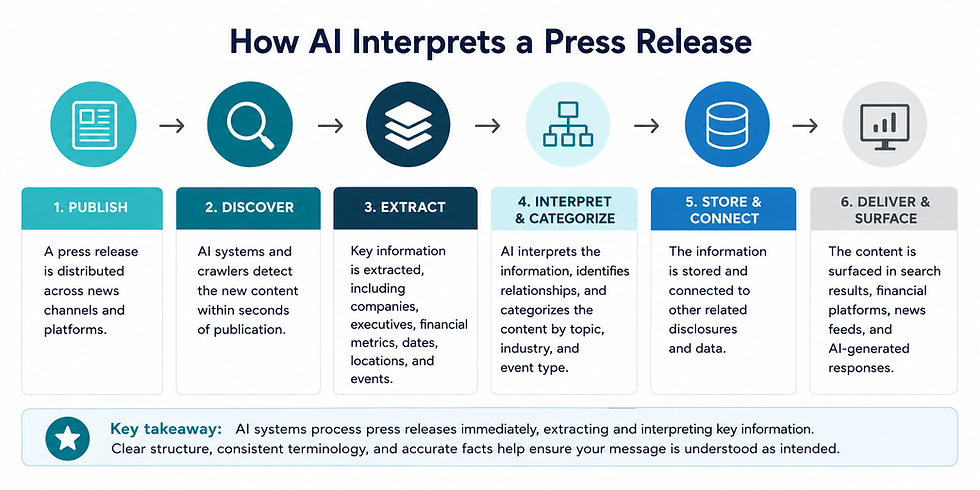
Figure 2. How AI Interprets a Press Release
How to Structure Press Releases for Machine Readability
Understanding how to structure press releases for machine readability has become increasingly important as AI systems begin processing disclosures immediately after publication.
Machine readable disclosure is not about writing for machines instead of people. It is about organizing information so both audiences identify the same facts and interpret the announcement as intended.
The following principles can improve how press releases are processed by AI systems while making disclosures clearer for investors, analysts, journalists, and regulators.
Lead With the Material Announcement
The opening paragraph should communicate the material announcement immediately.
State what happened before explaining why it matters.
Whether announcing financial results, a financing, an acquisition, a regulatory milestone, or a leadership appointment, state the material event first, followed by the most important supporting details. If the announcement relates to financial performance, identify the reporting period and the primary financial metrics early in the release. If it relates to a transaction, clearly identify the parties involved and the nature of the transaction before providing additional background.
A reader should understand the purpose of the announcement after reading the opening paragraph.
Organize Information Into Clear Sections
Group related information into logical sections with descriptive headings.
Separate financial results, operational updates, transaction details, management commentary, and forward looking information wherever possible. Each section should communicate a single topic before moving to the next.
This structure allows readers to locate information more quickly while helping AI systems distinguish one topic from another.
Clear organization reduces ambiguity without changing the underlying message.
Use Consistent Terminology
Consistency helps preserve meaning across every disclosure.
Use the same terminology throughout the press release when referring to financial metrics, business units, subsidiaries, products, projects, and executive titles.
For example, avoid referring to the same financial measure as revenue, sales, and top line performance within a single announcement.
Most readers can usually interpret these variations.
AI systems are more reliable when the same concepts are described consistently.
Separate Facts From Commentary
Present factual information before interpretation.
Financial results, operational updates, transaction details, and other material information should be clearly distinguished from management commentary explaining why those results are significant.
This helps readers separate objective disclosure from management's perspective while making it easier for AI systems to identify the underlying facts.
Clear separation improves readability without reducing context.
Maintain Consistency Across All Corporate Disclosures
A press release is rarely the only document describing a material event. The same announcement may also appear in regulatory filings, investor presentations, financial statements, earnings materials, and information published on the company's website.
Company names, executive titles, reporting periods, financial metrics, transaction values, dates, and other key information should remain consistent wherever they appear.
This does not require identical wording. But, it requires every disclosure to communicate the same underlying facts clearly and consistently.
Strong disclosure has always depended on accuracy, completeness, and regulatory compliance. As AI becomes a standard part of investment research, consistency across disclosures also plays an increasingly important role in how that information is interpreted.
Machine Readability Checklist for Press Releases:
✔ Lead with the material announcement
✔ Organize information into clear sections
✔ Use consistent terminology throughout
✔ Separate facts from commentary
✔ Keep information consistent across press releases, regulatory filings, and investor communications
What This Means for Disclosure Strategy
Machine readable information is becoming an increasingly important part of corporate communications.
AI systems are now embedded throughout the investment process, helping investors discover, compare, summarize, and evaluate corporate information. At the same time, regulators continue expanding the use of structured, machine-readable reporting, recognizing its value in making disclosure data more accessible and easier to use.
For issuer teams, this does not require writing differently. It requires organizing information more deliberately.
TMX Newsfile's research found that 75.8% of observed AI processing occurs within the first 24 hours after a press release is published. During that period, announcements are interpreted, categorized, and connected with other public information. Clear organization helps ensure that process begins with accurate, well structured disclosure.
For decades, disclosure quality has been measured by accuracy, completeness, and regulatory compliance. Those principles remain unchanged. Today, structure is becoming another measure of disclosure quality.
Press releases have always been written to inform the market.
Today, they also influence how corporate information is interpreted across an increasingly AI driven investment ecosystem.
The most effective press releases will continue to communicate clearly to people while presenting information in a way that AI systems can accurately interpret.


